



How to Sell Inherited Jewelry in Sarasota
A diamond ring tucked into a velvet box, a gold bracelet worn for decades, or a signed watch kept in a dresser drawer can carry two kinds of value: personal history and market value. When you decide to sell inherited jewelry in Sarasota, those values deserve to be handled with care. The objective is not simply to receive an offer. It is to understand what the piece is, what distinguishes it, and whether the offer reflects its materials, craftsmanship, condition, and desirability.
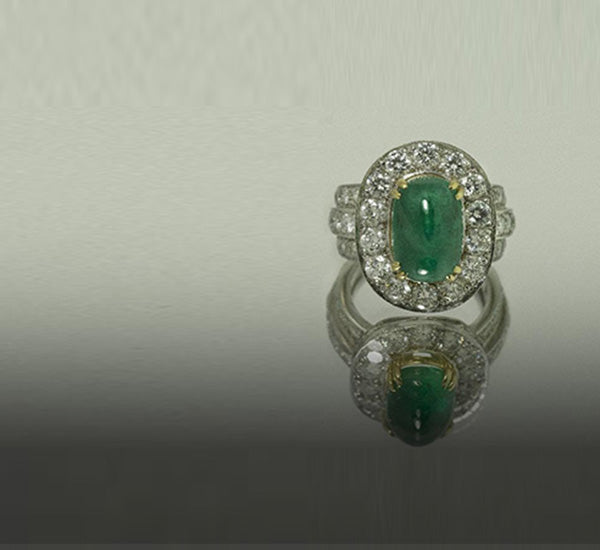
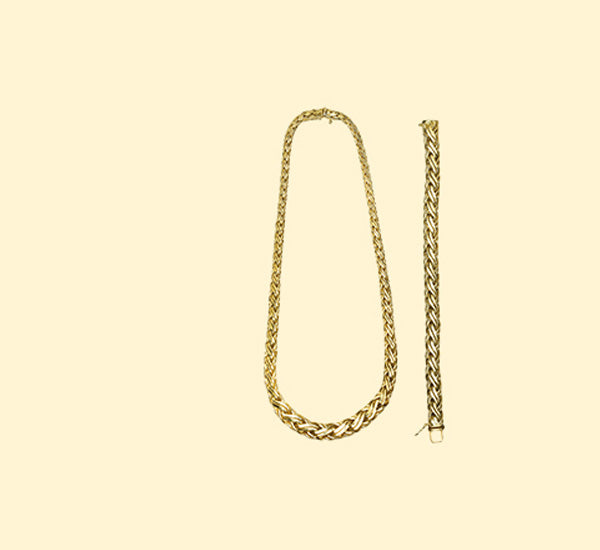
Inherited jewelry is rarely uniform. One estate may include a simple 14-karat gold chain, a GIA-certified diamond, an Art Deco platinum ring, and a fine emerald with meaningful origin and treatment considerations. Each should be evaluated on its own merits rather than grouped under a single estimate.
What Determines the Value of Inherited Jewelry?
The age of a piece may be appealing, but age alone does not establish value. Fine jewelry is valued through a combination of intrinsic material worth and the characteristics that make a piece collectible or especially desirable in the current market.
For gold and platinum jewelry, metal content and weight set an important baseline. Hallmarks such as 14K, 18K, 22K, or 950 platinum can be useful indicators, although a professional examination confirms both composition and condition. Heavy gold pieces may have substantial value even when the design is relatively simple.
Diamonds require more detailed consideration. Carat weight is only one component. Cut quality, color, clarity, fluorescence, shape, and any grading report all influence value. A well-cut diamond with a GIA report is generally easier to assess and market than an ungraded stone of uncertain quality. Older cuts, including Old European and Old Mine diamonds, may also attract buyers who appreciate their distinctive faceting and period character.
Colored gemstones call for particularly careful evaluation. A natural ruby, sapphire, or emerald may have significantly greater value than a commercial-grade or laboratory-created stone, but the details matter. Origin, color saturation, clarity, cutting, size, and treatment history all affect desirability. An unheated Sri Lankan sapphire, a Colombian emerald, or an exceptional ruby can be materially different from a stone with extensive treatment, even if the two appear similar at first glance.
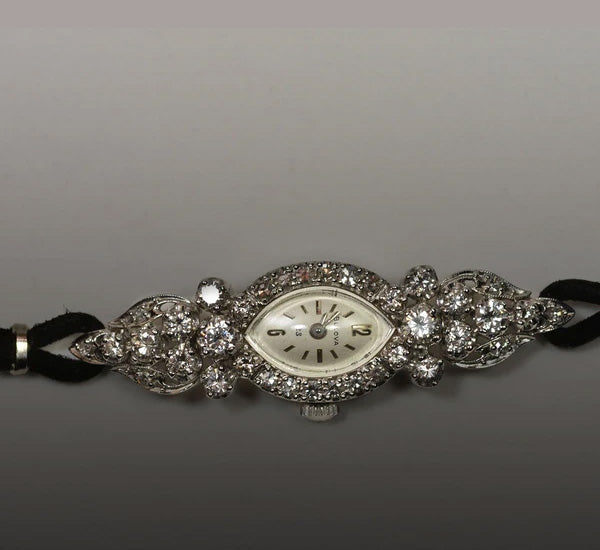
Signed jewelry and luxury watches deserve separate attention. Pieces from Tiffany & Co., Cartier, Van Cleef & Arpels, Bulgari, David Webb, or other recognized houses may command value beyond their metal and gemstone content. Rolex and other important Swiss watches are evaluated according to reference, originality, condition, service history, dial configuration, bracelet, and accompanying box and papers.
Before You Sell Inherited Jewelry in Sarasota
A measured preparation process can make an evaluation more productive and help prevent an exceptional detail from being overlooked. Begin by gathering the jewelry in one secure place, but avoid aggressive cleaning or polishing. Antique finishes, original patina, delicate enamel, and older settings can be damaged by household chemicals or ultrasonic cleaners.
Bring whatever documentation is available. This may include GIA or other laboratory reports, original purchase receipts, insurance appraisals, repair records, watch service papers, branded boxes, and estate paperwork. An older appraisal may not reflect current market value, but it can identify stone weights, makers, and other useful information. A laboratory report is not an offer of value, yet it provides objective details that can be very meaningful in a sale.
It is also wise to photograph each item before taking it for evaluation, especially if several family members are involved. Record inscriptions, serial numbers, hallmarks, and any known family history. Provenance does not always add monetary value, but it can clarify whether a piece is signed, period-made, or connected to a notable original owner.
If an estate is still being settled, confirm that you have the authority to sell. Jewelry passed through a will, trust, or probate process may require agreement among heirs. This is less glamorous than discussing diamonds and gemstones, but it avoids misunderstandings later.
An Appraisal Is Not the Same as a Purchase Offer
One common source of confusion is the difference between an insurance appraisal and a resale offer. An insurance appraisal often states a retail replacement value - the estimated amount needed to replace an item through a jewelry retailer. That figure is intentionally different from the amount a buyer can offer when purchasing the item outright.
A purchase offer reflects what a knowledgeable buyer believes the piece can be resold for, less the costs and risks of acquiring, authenticating, preparing, insuring, and marketing it. It also considers how readily the item can be placed with the right next owner. A classic diamond solitaire, a signed jewel, or a rare untreated gemstone may have a strong resale audience. A heavily worn fashion piece, even if it was expensive when new, may trade closer to its gold, platinum, or diamond value.
Neither number is inherently unfair. They answer different questions. The useful evaluation is one that explains the distinction clearly and identifies the facts behind the offer.
Questions Worth Asking During an Evaluation
A qualified buyer should be able to discuss the features that support or limit value. Ask whether gemstones appear natural or laboratory-created, whether any treatments are evident, what metal is present, and whether a signature or maker's mark has been identified. For a diamond, ask about its estimated quality and whether its mounting allows for an accurate assessment. For a watch, ask whether the bracelet, dial, and movement appear original to the piece.
You may also ask whether the buyer is making an offer for the jewelry as a finished piece, for its gemstones, or primarily for precious-metal content. These are meaningful distinctions. An ornate 18-karat bracelet from a desirable maker should not be evaluated as ordinary scrap gold merely because it is no longer fashionable to the family.
A thoughtful buyer will acknowledge uncertainty when it exists. Some questions, especially gemstone origin and treatment status, can require laboratory testing for a definitive answer. In those cases, a responsible evaluation explains what can be determined in person and what may require additional research.
Choosing the Right Selling Path
The best selling method depends on the jewelry itself, your time frame, and how much certainty you want. A direct sale to an established fine jeweler is often appropriate for owners who value privacy, immediate payment, and a knowledgeable assessment. It can be particularly effective for fine diamonds, rare natural gemstones, signed estate jewelry, and luxury watches with clear market demand.
Consignment may suit a rare or highly specialized piece when you are comfortable waiting for the appropriate buyer. The potential advantage is exposure to a retail audience; the trade-off is time, commission, and no guarantee of a sale. Auction can be sensible for exceptional signed or historically important jewelry, but fees, reserve decisions, and timing should be understood before committing.
Online marketplaces can appear attractive because they offer broad visibility, yet they place authentication, photography, insurance, buyer screening, shipping, and return risk on the seller. For a high-value inherited piece, the apparent convenience may not outweigh those responsibilities.
For Sarasota owners, an in-person appointment offers a practical advantage: you can see how the jewelry is examined and have a direct conversation about its quality. Thayer Jewelers has served the Sarasota community since 1982, with a focus on heirloom-quality estate jewelry, fine diamonds, rare colored gemstones, and important watches. A local evaluation is especially valuable when a collection includes pieces that require more than a quick gold test.
Condition, Sentiment, and the Decision to Sell
Condition affects value, but not always in the expected way. A worn prong, a damaged clasp, or a missing accent stone may reduce a purchase offer because repair costs must be considered. At the same time, an older piece should not be automatically restored before it is evaluated. Replacing an original component, refinishing a watch case, or altering a period setting can diminish collector appeal.
Sentiment deserves its own place in the process. You do not need to sell every item at once. Many families choose one piece to keep, perhaps a grandmother's ring or a watch with an engraved caseback, while selling jewelry that no longer suits anyone's life or style. There is no financial formula for that decision.
If you are uncertain, allow yourself time after the initial evaluation. A clear understanding of the jewelry's characteristics can make the choice easier, whether you decide to sell, retain it, insure it properly, or pass it to another generation. The right next step is the one that respects both the craftsmanship of the piece and the story attached to it.