



How to Sell a Rolex for Fair Market Value
A Rolex can be both a personal object and a meaningful financial asset. Knowing how to sell a Rolex well means treating it accordingly: establish precisely what you own, understand the variables that affect value, and choose a selling method that suits your priorities. The highest advertised price is not always the strongest offer once timing, risk, fees, and certainty are considered.
Begin With the Exact Rolex Reference
Rolex values are reference-specific. A Submariner, Datejust, GMT-Master II, Daytona, Day-Date, Explorer, or Oyster Perpetual may share the same name across several generations, yet differ substantially in market value because of reference number, production era, metal, dial, bezel, bracelet, and movement.
Locate the reference number between the lugs on older examples or consult the warranty card and documentation on newer watches. The serial number helps establish the production period, although modern Rolex serials are randomized. Record the model designation, reference, serial number, approximate purchase date, and any service history before requesting valuations.
Details that may seem minor can be decisive. A stainless steel sports Rolex with its original bracelet, correct bezel, and desirable dial configuration may trade very differently from a similar-looking watch with replacement parts. Precious-metal models require equally close attention to weight, condition, bracelet stretch, and the exact dial and bezel combination.
What Determines a Rolex's Resale Value?
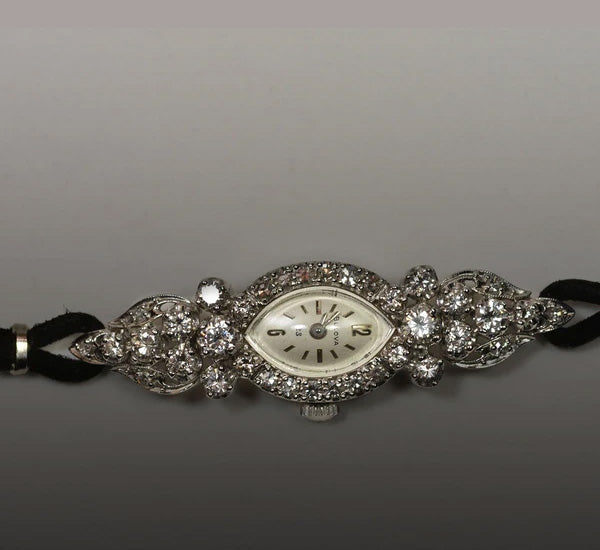
There is no single percentage of retail price that applies to every Rolex. Demand changes by model and condition, while certain discontinued references and scarce configurations can command collector interest well beyond their original retail pricing. Other watches, including some diamond-set or heavily customized examples, appeal to a narrower resale market.
Condition matters, but originality matters more than many sellers expect. Light, honest wear is often preferable to a watch that has been aggressively polished. Excessive refinishing can soften case edges, reduce the definition of lugs, and alter the character collectors look for in a vintage Rolex. A qualified buyer will examine the case, bracelet, clasp, bezel, crystal, dial, hands, movement, and the relationship of those components to the correct reference.
The following factors typically influence an offer:
- The exact reference, age, metal, dial, bezel, bracelet, and overall market demand
- Originality of the dial, hands, bracelet, bezel insert, crown, and other period-correct components
- Mechanical condition, service needs, water resistance concerns, and evidence of prior repairs
- Completeness of the set, including box, warranty card or papers, booklets, tags, receipts, and service records
- Provenance, especially for rare dials, unusual production variants, or watches with a documented ownership history
Prepare the Watch Without Altering It
Before offering the watch for sale, gather every item associated with it. Include the original box, warranty card, manuals, extra links, bezel protector, hangtags, purchase invoice, appraisal, and Rolex service paperwork. Keep these materials together, but do not write on them, laminate them, or attempt to clean them beyond careful dust removal.
Take clear photographs in natural, indirect light. Photograph the dial straight on, both sides of the case, bracelet, clasp, reference markings, serial number where appropriate, accessories, and any visible wear. For a private listing, it is wise to obscure part of the serial number publicly. A serious buyer can inspect it in person or through a secure, professional process.
Do not polish the case or bracelet simply to make the watch appear newer. Do not install aftermarket diamonds, substitute a bezel, replace a faded bezel insert, or have vintage dial and hand patina restored without first understanding the effect on value. These decisions can reduce collector interest materially. If the watch is not running, disclose that fact rather than authorizing an unnecessary repair solely for the sale.
A recent service from Rolex or a respected independent specialist can be valuable, particularly when it includes a detailed invoice and warranty. Still, service is not automatically cost-effective. On a vintage watch, a service that replaces original hands, dial, bezel, or bracelet components may compromise the attributes that make the piece valuable. Ask in advance which parts, if any, would be exchanged and whether the originals will be returned.
Choose the Right Way to Sell a Rolex
Selling directly to an established luxury watch buyer is usually the most efficient option when discretion, prompt payment, and a defined outcome matter most. The buyer assumes the work of authentication, service evaluation, marketing, inventory carrying costs, and eventual resale. For that reason, a direct purchase offer will reflect the buyer's margin and risk, but it also provides certainty without the delays and exposure of a private transaction.
Consignment can make sense for a rare, highly collectible, or unusually valuable Rolex when the seller is comfortable waiting for the right client. The potential return may be higher, but it depends on the selling agreement, commission, insurance terms, pricing authority, and length of the consignment period. Ask exactly when payment is due after a sale and what happens if the watch requires a return, service, or price adjustment.
Private sale may produce the highest gross price on paper, but it demands patience and care. Sellers must manage inquiries, authenticate payment, arrange secure delivery or in-person meetings, and remain alert to chargebacks, counterfeit funds, stolen identities, and post-sale disputes. A Rolex should never be shipped or released based on a screenshot of a payment confirmation.
Auction is generally best reserved for watches with genuine rarity, exceptional provenance, or strong collector significance. Seller commissions, buyer premiums, photography, insurance, and the possibility of a reserve not being met can make it a less practical choice for a standard contemporary model.
Request an Informed Valuation
An appraisal for insurance is not the same as a resale valuation. Insurance replacement figures are often higher because they reflect the cost to replace an item through retail channels, not the amount a buyer can pay for it in the secondary market. Request a market-based evaluation from a party experienced with Rolex references and current transaction conditions.
Be candid about the watch. Mention any polishing, water damage, non-original parts, missing links, mechanical issues, or prior service. A transparent description leads to a more reliable initial range and prevents disappointment after inspection. If an offer appears unusually high, ask what assumptions it relies on and whether it is subject to authentication, condition review, or a future consignment sale.
For a significant watch, obtaining more than one professional opinion is reasonable. Compare more than the dollar amount. Consider the evaluator's familiarity with your reference, the clarity of the process, the safety of the transaction, and whether the offer is immediate or contingent.
Complete the Sale Securely
Meet in a professional business setting whenever possible. A reputable buyer should inspect the watch carefully, document the transaction, verify ownership information, and explain the payment method. Bring government-issued identification, but share only the personal information reasonably required for the transaction and applicable recordkeeping.
Confirm when funds are irrevocably available before releasing the watch. A wire transfer is often appropriate for substantial transactions, provided you verify the funds directly with your bank. Do not rely on emails or text messages that appear to come from a financial institution. If shipping is necessary, use fully insured, tracked delivery and follow the buyer's documented instructions regarding declared value and packaging.
Retain copies of the bill of sale, payment confirmation, photographs, service records, and correspondence. Depending on the amount received and your cost basis, a sale may have tax implications. A qualified tax professional can advise on your specific circumstances.
For Sarasota owners who prefer a knowledgeable, in-person evaluation, Thayer Jewelers offers the advantage of a long-established Palm Avenue showroom and experience with fine estate jewelry and luxury watches. The right buyer should leave you with more than an offer: you should understand what your Rolex is, why it was valued as it was, and feel comfortable with the terms before it changes hands.