



How Estate Jewelry Buyers Determine Value
A diamond brooch tucked away for decades, an emerald ring inherited without paperwork, or a gold watch no longer worn can hold far more than sentimental value. Experienced estate jewelry buyers look beyond first impressions to identify the materials, craftsmanship, history, and marketability that determine what a piece may command. A careful evaluation is not simply a matter of weighing gold or checking a maker's mark. It is the process of separating a fine jewel from an ordinary one - and recognizing when a seemingly modest piece deserves closer study.
For sellers, that distinction matters. The best outcome begins with clear expectations, complete information, and a buyer with the gemological knowledge to assess value in context.
What Estate Jewelry Buyers Look for First
An initial review often begins with the fundamentals: metal, gemstones, construction, signature, condition, and overall design. Each detail contributes to a larger picture, but not every detail carries equal weight. A heavy gold bracelet may have meaningful intrinsic value even without a designer name. A signed piece from Tiffany & Co., Cartier, Van Cleef & Arpels, or another respected house may merit consideration well beyond metal and gemstone value, provided its authenticity and condition support the attribution.
Precious-metal content is established through hallmarks and testing. A stamp such as 18K, 14K, or 950 platinum provides a useful starting point, though an experienced buyer also considers the piece's actual weight, construction, and any nonmetal components. Hollow links, steel watch parts, gemstones, and mechanisms affect the calculation.
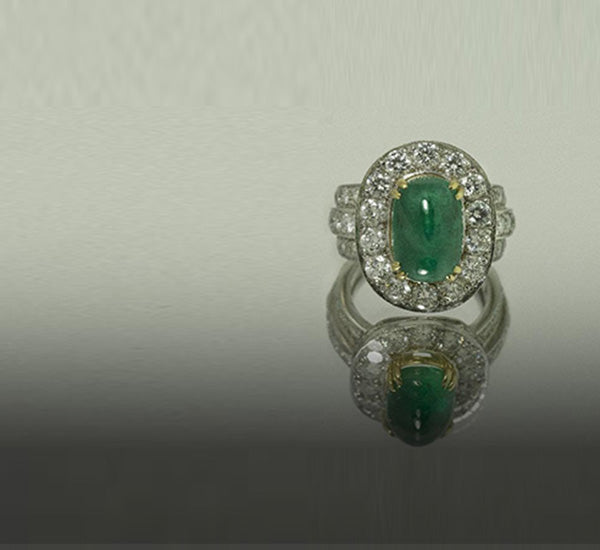
Gemstones require a more specialized eye. A diamond's carat weight, color, clarity, cut, fluorescence, and laboratory documentation can materially affect desirability. With colored stones, the assessment becomes even more nuanced. Natural color, transparency, cutting, treatment history, and geographic origin all matter. A fine Colombian emerald, an unheated Sri Lankan sapphire, or a vivid ruby with strong color and a respected origin may occupy a very different market category than a commercial-quality stone of similar size.
Why Documentation Can Change the Conversation
Original receipts, prior appraisals, diamond grading reports, service records, boxes, and certificates should always accompany a piece when available. They do not automatically establish current resale value, but they can help a buyer identify the item accurately and investigate its history efficiently.
A GIA report is particularly useful for an important diamond or colored gemstone. It may confirm carat weight and provide an objective description of color and clarity. For colored stones, reports that address origin and treatment can be especially influential. An emerald described as natural with minor clarity enhancement, for example, is evaluated differently from one with more significant treatment. A sapphire confirmed as unheated may carry a premium when its color, clarity, and cutting are also exceptional.
Older appraisals deserve perspective. Insurance appraisals generally state replacement values, which are often higher than the amount a buyer can offer in a direct purchase. They remain helpful reference documents, especially when they identify measurements, weights, or prior laboratory reports, but they should not be mistaken for a current purchase offer.
Estate Jewelry Buyers Consider More Than Materials
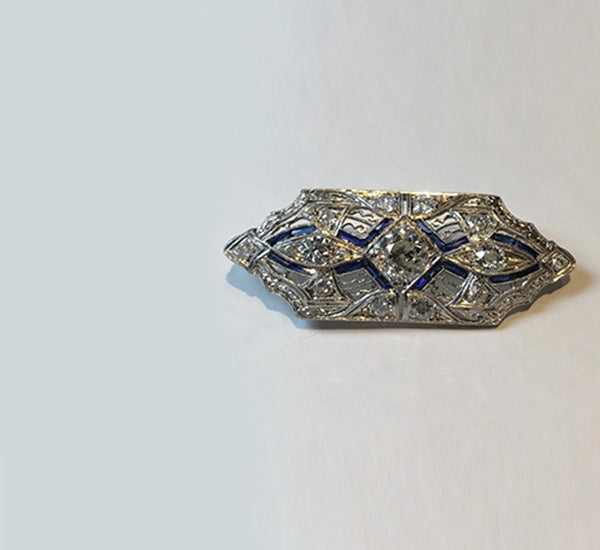
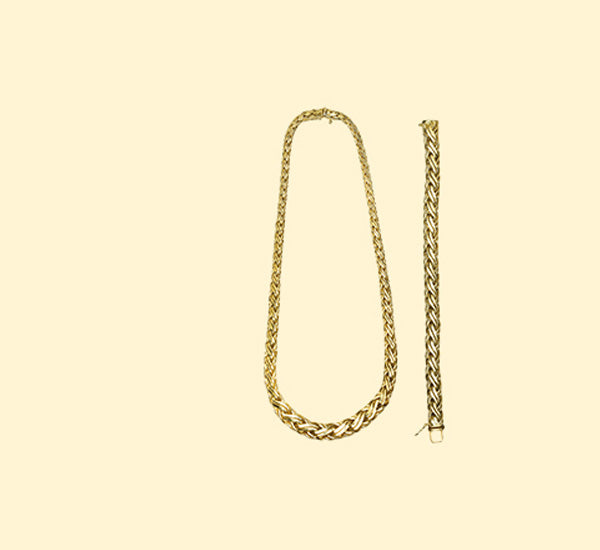
The market does not reward every old piece simply because it is old. Age becomes meaningful when it is paired with distinguished design, craftsmanship, rarity, provenance, or a recognizable period aesthetic. An Art Deco platinum ring with calibre-cut sapphires and old European-cut diamonds may attract collectors for its workmanship and proportions. A mid-century gold bracelet with substantial hand-finished links may appeal for its design as well as its gold content.
Condition is equally important. Minor wear is expected in estate jewelry and can be appropriate to the age of a piece. Excessive polishing, replaced stones, altered settings, worn engraving, damaged enamel, or poorly executed repairs can reduce collector interest. In some cases, a sympathetic restoration is worthwhile; in others, preserving original details is more valuable. There is no universal rule, which is why an evaluation should precede major repairs or alterations.
Signed jewelry calls for particular care. A signature alone is not enough. Estate jewelry buyers examine whether the mark is consistent with the maker, whether the construction and materials align with the house's standards, and whether the design belongs to a known period. Authentication matters because the difference between a genuine signed jewel and an attributed piece can be substantial.
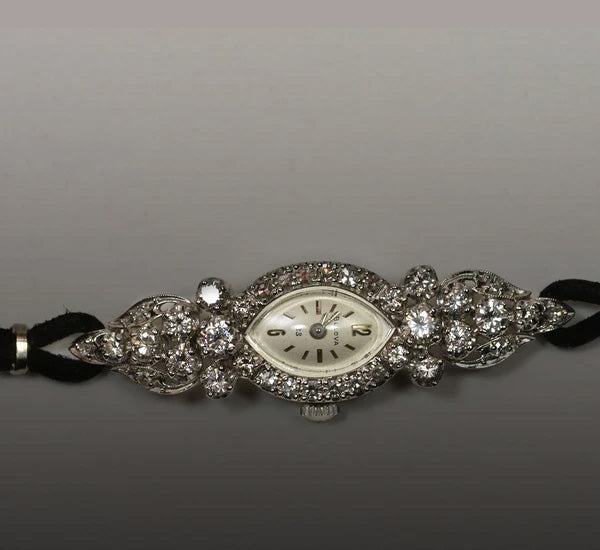
Luxury watches follow a similarly exacting standard. Brand, reference number, case condition, dial originality, movement condition, bracelet length, service history, and accompanying box and papers all influence value. A Rolex with an original dial and documented service history may be more compelling to a collector than a heavily refinished example, even when both appear attractive at first glance.
Direct Sale, Consignment, or Keeping the Piece
A direct sale offers certainty and immediate payment. The buyer assumes the work of authentication, restoration, inventory, insurance, and eventual resale. For that reason, a direct purchase offer reflects more than the projected retail price of a similar piece. It accounts for market demand, selling time, overhead, and the risk involved in owning a one-of-a-kind item.
Consignment can sometimes produce a higher net return, but it requires patience and depends on the jeweler's audience, terms, and ability to present the piece properly. A rare natural gemstone or a highly desirable signed jewel may be a stronger candidate for consignment than a common diamond pendant or a broken gold chain. Sellers should understand the commission structure, insurance arrangements, pricing strategy, and timing before choosing this route.
Keeping the piece is also a valid decision. Family jewelry often carries a history that cannot be priced. Before selling an inherited jewel, some owners choose to have it cleaned, photographed, and documented for the family. Others reset a stone into a more wearable design. The right path depends on whether the piece is valued as an heirloom, an investment-quality object, or an asset no longer aligned with the owner's needs.
How to Prepare for an Estate Jewelry Evaluation
Bring all related materials together, including loose stones, matching earrings, extra watch links, certificates, receipts, and prior appraisals. A complete set is often more valuable and easier to sell than its separated parts. Avoid aggressive home cleaning, especially on emeralds, pearls, antique settings, enamel, or watches. Ultrasonic cleaners and harsh chemicals can create avoidable damage.
It is also wise to describe what you know without overstating what you do not. If a ring was said to be Burmese ruby or a bracelet was believed to be from a particular maker, share that family history. A qualified buyer can then evaluate the claim through hallmarks, gemological observation, construction, and, when warranted, laboratory testing.
At Thayer Jewelers, knowledgeable review begins with the same principle that guides the selection of heirloom-quality jewelry: exceptional materials and craftsmanship deserve precise evaluation. A respectful conversation should leave a seller understanding not only an offer, but the qualities that shaped it.
Questions Worth Asking Estate Jewelry Buyers
A reputable buyer should be prepared to explain the basis of an evaluation in clear terms. Ask whether the offer reflects metal value alone or recognizes diamond, gemstone, designer, antique, or collector value. For a significant colored stone, ask whether treatment and origin have been considered and whether a laboratory report would be useful before a final decision.
For signed jewelry or watches, ask how authenticity and condition are being assessed. If the piece is better suited to consignment than an immediate purchase, ask why. Direct answers are a sign of a serious evaluation, particularly when the answer is that a piece has limited resale demand despite sentimental importance.
The most valuable estate jewelry is often recognized through details that are easy to miss: an unheated sapphire, a finely made platinum mounting, an original watch dial, a discreet maker's signature, or a diamond with exceptional light performance. Bring the piece to a buyer who sees those details, and you can make your next decision with clarity rather than guesswork.