



Emerald Rings Worth Keeping for Generations
An exceptional emerald does not need to be flawless to be extraordinary. In fact, the fine garden-like inclusions known as jardin are often part of what makes emerald rings feel alive, personal, and unmistakably natural. The distinction lies in choosing a stone whose color, transparency, cut, and provenance work together with conviction.
For a ring intended to mark an engagement, anniversary, inheritance, or a significant personal acquisition, the emerald deserves the same level of scrutiny as a fine diamond. A vivid green can be compelling from across a room, but lasting value is determined in the details: whether the color is natural and well distributed, whether clarity allows light to move through the stone, how it has been treated, and whether the setting protects it for a lifetime of wear.
Why Fine Emerald Rings Are Different
Emerald is a variety of beryl, colored primarily by chromium, vanadium, or both. Its crystalline structure makes it more included and generally less durable in daily wear than sapphire or diamond. That is not a reason to avoid it. It is a reason to select it thoughtfully and wear it with appropriate care.
The finest stones possess a green that feels saturated without becoming too dark. Secondary blue is often desirable, particularly in classic Colombian material, while an overly yellowish cast may lessen the cool richness many collectors seek. Tone matters as much as hue. A stone that is too light may appear diluted; one that is overly dark can lose its inner life in ordinary lighting.
Unlike diamonds, emeralds are not typically valued for absolute clarity. Most natural emeralds reveal inclusions under magnification and often to the unaided eye. The goal is not clinical perfection. It is a stone with sufficient transparency and brightness to show its color clearly, without fractures or inclusions that materially compromise beauty or durability.
Color Comes First, but Origin Adds Context
When evaluating an emerald, color is usually the first and most important consideration. The strongest examples display an even, intense green with attractive saturation and a pleasing degree of transparency. A well-cut emerald will retain this color across the face of the stone rather than appearing noticeably pale or dark in isolated areas.
Origin can further shape desirability. Colombian emeralds are renowned for their vivid, often slightly bluish green and storied place in the gem trade. Material from the famed regions of Muzo, Chivor, and Coscuez may command significant attention when accompanied by a respected laboratory report. Zambian emeralds often present a deeper, cooler green, sometimes with a subtle blue component and excellent clarity for the variety. Both origins can produce remarkable gems. Neither country name alone guarantees quality.
A laboratory opinion of origin is especially valuable for an important stone because it provides meaningful context for buyers, collectors, and future heirs. It should be considered alongside the emerald itself, not as a substitute for looking closely at color, cut, condition, and treatment.
Treatment Is Part of the Conversation
Most emeralds receive some degree of clarity enhancement. Traditional cedarwood oil, modern resins, and other fillers can reduce the visibility of surface-reaching fissures. This is customary in the trade, but the extent of treatment has a direct bearing on rarity and value.
A report describing no indications of clarity enhancement is uncommon and highly consequential, assuming the stone has attractive color and clarity. Minor enhancement is generally preferred to moderate or significant enhancement. The more extensively a stone has been filled, the more carefully a buyer should weigh its price, durability, and long-term care requirements.
Treatments also explain why precise documentation matters. An emerald accompanied by a respected gem laboratory report gives the owner a clearer record of the stone's identity, origin opinion when available, and enhancement level. For a significant purchase, that record is part of responsible stewardship.
Choosing the Right Cut and Proportions
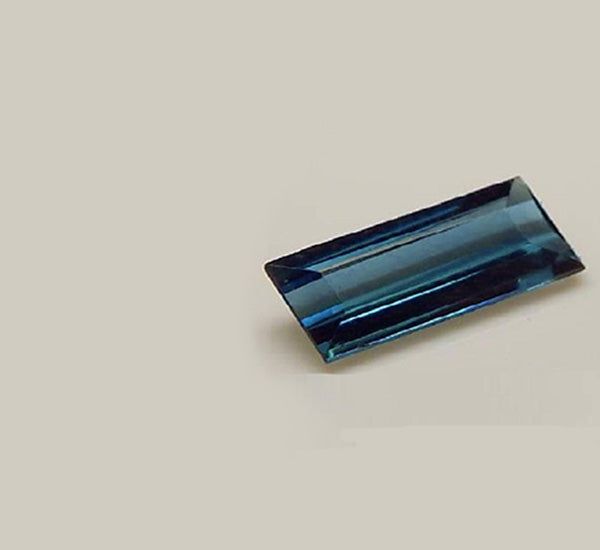
The emerald cut was developed for this gemstone for good reason. Its stepped facets emphasize color, create elegant flashes of light, and reduce pressure at vulnerable corners. The classic rectangular silhouette remains a natural choice for an engagement ring or a refined estate-inspired design.
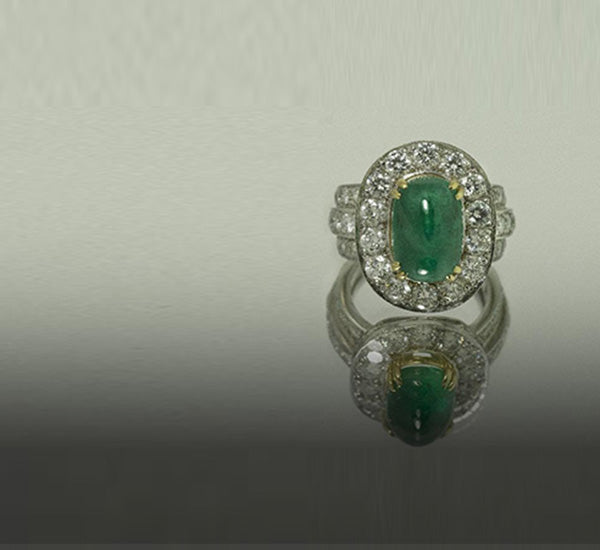
That said, an emerald need not be rectangular to be exceptional. Cushions can bring a softer, more romantic character. Ovals often appear generous for their weight and can be especially flattering on the hand. Pear shapes and cabochons offer a more individual point of view, particularly in antique jewelry or collector-focused pieces.
Cut should always be judged by appearance rather than a label alone. Look for a pleasing outline, balanced proportions, and lively transparency. A large face-up size can be attractive, but overly shallow cutting may produce a window, an area in the center that looks watery or transparent rather than richly colored. Excessive depth, on the other hand, can hide weight where it is not visible and make the stone appear dark.
Settings That Honor the Stone
Because emeralds are comparatively brittle, a ring's setting is more than decoration. It is a form of protection. A bezel can offer excellent security and a clean, architectural profile. Prongs allow more light to reach the stone but should be substantial, well finished, and regularly inspected. For a rectangular emerald, protective prongs at the corners are particularly wise.
Platinum provides strength and a cool backdrop that can intensify an emerald's blue-green character. Yellow gold creates a warmer, more traditional contrast and is especially beautiful in antique-inspired mountings. The best choice depends on the stone's tone, the design period being referenced, and the owner's existing jewelry wardrobe.
Diamonds can frame an emerald beautifully, but proportion is essential. Tapered baguettes preserve the geometry of an emerald cut and lend a tailored, mid-century elegance. Old European cuts or rose cuts can bring softness to an antique setting. A halo may add presence, although a large or overly bright surround can make a modest center stone appear less substantial by comparison.
For daily wear, consider the practical realities of the ring's profile. A lower setting is less likely to catch on fabric and is often more comfortable. An emerald ring can absolutely be worn often, but it may not be the ideal choice for gardening, racquet sports, weight training, or work that places the hands in frequent contact with hard surfaces.
Estate Emerald Rings and the Value of Character
Estate jewelry offers a compelling path for buyers who value distinction. An earlier setting may feature hand engraving, carefully executed milgrain, old-cut diamonds, or proportions that are difficult to find in contemporary production. In the best examples, the design and gemstone feel inseparable.
Condition deserves close review. Examine the emerald for chips, abrasions, recutting, and fractures, as well as the mounting for worn prongs, thinning shanks, or prior repairs. Age is not a flaw, but undisclosed condition issues can affect wearability and value. A knowledgeable jeweler can help distinguish honest patina from restoration that deserves further attention.
At Thayer Jewelers, an emerald ring is evaluated as a complete object: the natural gemstone, its treatment and origin documentation, the quality of its mounting, its condition, and the character that makes it worth preserving. That perspective is particularly valuable when selecting a one-of-a-kind estate piece.
Caring for an Emerald Ring Over Time
Avoid ultrasonic cleaners, steam cleaning, and harsh household chemicals. Heat and aggressive cleaning methods can affect fracture filling and place stress on an included stone. Instead, use lukewarm water, mild soap, a soft brush, and gentle drying with a lint-free cloth.
Store an emerald ring separately from diamonds and other harder gems that may scratch its surface. Have the setting inspected periodically, particularly if the ring is worn regularly. If the emerald receives a hard knock or develops a changed appearance, have it examined before attempting any home cleaning.
The right emerald ring should invite a second look years after it first enters the jewelry box. Choose the stone that holds your attention in natural light, ask direct questions about its treatment and documentation, and allow craftsmanship and character to carry equal weight with carat size.