


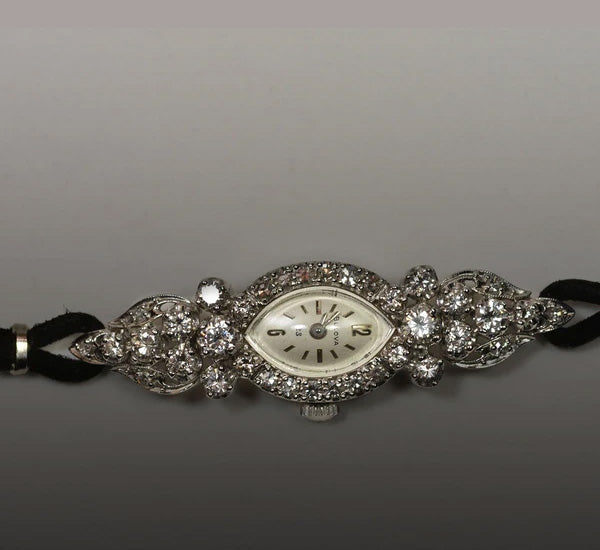

When Jewelry Consignment Is Worth Considering
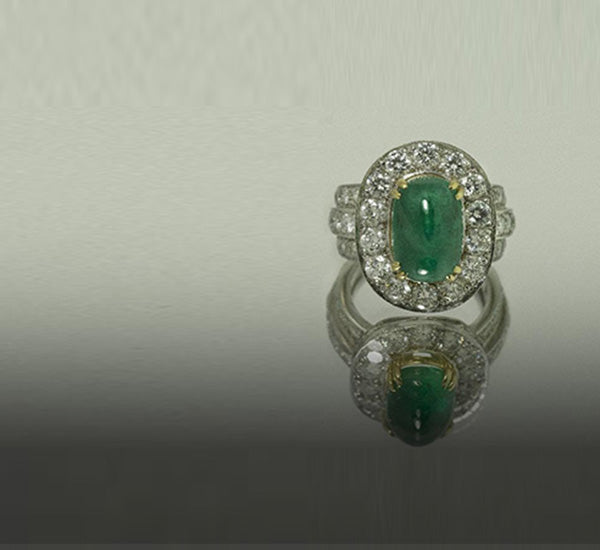
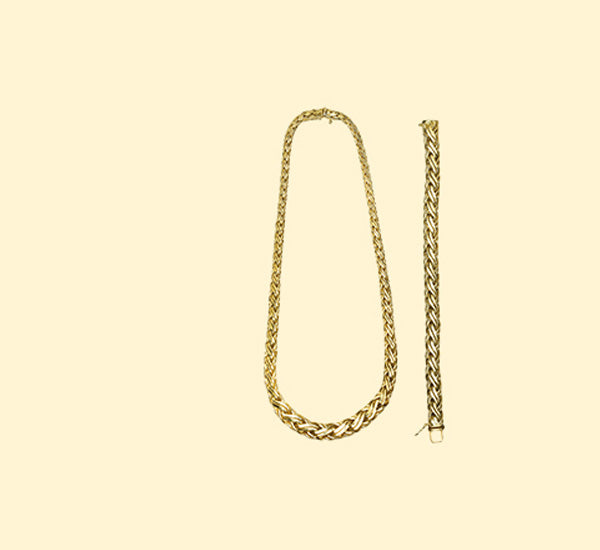
A fine emerald ring inherited decades ago, a signed gold bracelet no longer worn, or a diamond watch purchased for a different chapter of life may deserve more than a quick offer. Jewelry consignment offers an alternative: placing an exceptional piece with an established jeweler that can present it to qualified buyers while you retain ownership until it sells.
For the right piece, consignment can create access to a more discerning market and a price that better reflects its materials, craftsmanship, provenance, and condition. It is not, however, the fastest way to sell. The decision rests on the jewelry itself, your timeline, and the quality of the firm entrusted to represent it.
How Jewelry Consignment Works
In a consignment arrangement, the owner leaves a piece of jewelry or a luxury watch with a retailer for an agreed period. The retailer evaluates the item, establishes a proposed selling price, markets it through its showroom and client network, and handles the sale. Once the piece sells, the retailer retains the agreed commission and remits the balance to the owner.
Unlike a direct purchase, the jeweler is not taking immediate ownership or assuming all market risk. That distinction matters. A direct buyer can offer immediate funds, but must build in room for restoration, inventory costs, market movement, and eventual resale. Consignment may allow for a stronger net return because the piece is offered at a retail-level price to an end buyer. In exchange, the owner accepts that a sale may take time and is not guaranteed.
The best consignment partners do more than place an item in a case. They assess whether a piece belongs in their assortment, research maker marks and signatures, verify gemstone details, document condition, photograph it thoughtfully, and explain its qualities to the prospective buyer. For estate jewelry, this level of presentation is often the difference between being viewed as used jewelry and being recognized as a distinctive, collectible object.
Which Pieces Are Strong Candidates?
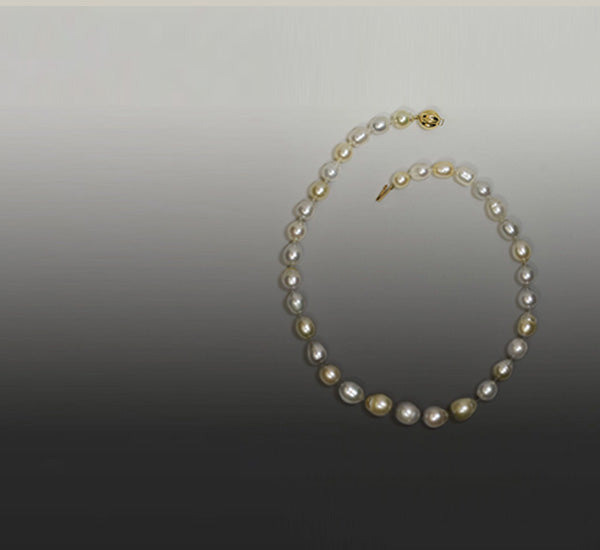
Jewelry consignment is generally most suitable for pieces with identifiable quality and a clear retail audience. This can include GIA-certified diamonds, important natural-color gemstones, signed jewelry, substantial gold pieces, antique and period designs, and luxury watches from recognized makers. A Colombian emerald with a respected laboratory report, an unheated Sri Lankan sapphire, a finely made platinum diamond ring, or a Tiffany & Co. jewel may attract buyers who appreciate specific value markers.
Condition and design matter alongside the headline materials. An older piece with original details, an appealing period silhouette, or a desirable maker's signature can command interest even when it is not newly made. Conversely, a large diamond or gold jewel may be harder to consign if it has extensive wear, heavy modifications, a dated design with limited demand, or missing components.
Not every item benefits from a retail consignment path. Broken jewelry, common commercial diamonds, lightweight gold, and pieces with repair costs disproportionate to their value may be better suited to a direct purchase or precious-metal sale. An experienced evaluator should be candid about that distinction rather than accepting every item offered.
The Valuation Behind a Consignment Price
A credible asking price is not the same as an insurance replacement value, a sentimental value, or the highest comparable price visible online. It reflects what an informed buyer is likely to pay in the current market, taking into account the retailer's clientele, the condition of the piece, and the time needed to find the appropriate owner.
For diamonds, the evaluation may include carat weight, color, clarity, cut quality, fluorescence, proportions, certification, and whether the stone is natural or laboratory-grown. For colored stones, origin and treatment history may materially affect value. Fine ruby, emerald, and sapphire buyers often look closely at natural color, transparency, cutting, country of origin, and evidence of heat treatment or clarity enhancement.
Documentation can strengthen a consignment presentation. GIA reports, gemological laboratory reports, original receipts, prior appraisals, watch service records, and branded packaging all help establish a more complete story. Still, paperwork should be reviewed rather than accepted at face value. An older appraisal may be useful for identification but may not reflect present retail demand or current market pricing.
A jeweler may recommend a fresh laboratory report for an exceptional loose gemstone or diamond if the anticipated increase in buyer confidence justifies the expense. That is a case-by-case decision. For some pieces, a detailed in-house evaluation is sufficient; for rarer stones, independent documentation can be especially meaningful.
Terms That Deserve Close Attention
A consignment agreement should be clear before the jewelry leaves your possession. It should identify the item precisely, including metal content, gemstone weights when known, identifying marks, condition notes, and photographs. The agreement should also state the selling price, the commission structure, the consignment period, and what happens if the item does not sell.
Ask how price reductions are handled. A thoughtful retailer will not lower the price without the owner's authorization, yet it is reasonable to revisit an asking price if meaningful buyer interest has not developed after an appropriate period. The original price should be ambitious enough to respect the piece, but grounded enough to invite serious consideration.
Insurance is equally important. Confirm in writing who is responsible for the item while it is in the jeweler's possession and how a loss, theft, or damage claim would be handled. Ask whether the jewelry will remain in a secure showroom, be shown by appointment, travel to events, or be offered online. A reputable firm should welcome these questions.
It is also wise to clarify when payment is issued after a sale and how sales tax, shipping, returns, repairs, or resizing may affect the transaction. Fine jewelry is often personal in fit and preference. A retailer that offers buyer support after the sale may have a stronger chance of completing a transaction, but the scope of that support should be understood in advance.
Presentation Can Affect the Result
Buyers of exceptional estate jewelry are not simply comparing carat weights. They are evaluating beauty, rarity, confidence, and whether a piece feels worthy of long-term ownership. Clean, accurate photography, an honest condition description, precise measurements, and informed product language help a buyer understand what distinguishes a jewel.
A skilled retailer also knows how to frame the story without overstating it. A sapphire should be described according to its actual color, treatment status, and documented origin. A signed piece should be authenticated before its maker name becomes part of the value proposition. A vintage ring should be presented as vintage, not represented as an original antique when its construction indicates otherwise. Accuracy protects both the seller and the future owner.
For collectors and experienced buyers, this rigor builds confidence. A piece that is carefully cataloged, professionally cleaned when appropriate, and presented with its relevant gemological details is easier to consider at a meaningful price point.
Consignment Versus an Immediate Sale
The central trade-off is time for potential return. If you need funds promptly, a direct purchase is usually the more practical option. You receive a firm offer and avoid waiting for a retail buyer. This can be the right choice when settling an estate, simplifying a collection, or making a timely financial decision.
If timing is flexible and the jewelry has genuine retail appeal, consignment may be worth considering. The owner retains a measure of control over the price and benefits from the retailer's presentation, relationships, and established audience. At Thayer Jewelers, this kind of evaluation begins with the individual merits of the piece rather than a formula applied to every jewel.
Before making either choice, gather the jewelry, accompanying reports, receipts, and any original boxes or service records. Avoid aggressive home cleaning, especially around emeralds, pearls, enamel, antique settings, or watches. What appears to be ordinary wear may be relevant to valuation, and improper cleaning can cause harm.
A well-chosen consignment relationship should leave you with clarity, not uncertainty. The right jeweler will explain what your piece is, how it will be positioned, what the financial terms mean, and whether waiting for the right buyer is likely to serve its value. Fine jewelry was made to be worn and admired; when it is time to pass it on, careful representation gives its next chapter the consideration it deserves.