




Rare Natural Colored Gemstones Worth Knowing
A fine gemstone does not need to announce itself loudly. The most memorable stones often reveal their quality more slowly: a Colombian emerald with a luminous, living green; an unheated sapphire whose blue remains vivid in daylight; a ruby with exceptional saturation and no compromise in transparency. Rare natural colored gemstones reward close attention because their value rests not on one specification, but on the uncommon meeting of beauty, provenance, condition, and gemological fact.
For collectors and buyers of heirloom-quality jewelry, this distinction matters. Two gems of the same species and carat weight can differ dramatically in value when their color, origin, treatment history, and cutting are properly understood.
What Makes Rare Natural Colored Gemstones Rare?
Rarity is not simply a matter of a gemstone being difficult to find. Some gem varieties are scarce by nature, but scarcity alone does not create lasting desirability. In the finest colored stones, rarity is the limited occurrence of a particular combination: superior color, meaningful size, high clarity, attractive cutting, and a documented natural origin.
A sapphire may be natural yet common in tone, heavily included, or extensively treated. Conversely, an unheated Sri Lankan sapphire with a bright, balanced blue and fine transparency may be genuinely difficult to replace. The same principle applies to emeralds, rubies, alexandrite, Paraiba tourmaline, spinel, and exceptional fancy-color diamonds.
The word natural is particularly significant. It confirms that the material was formed by geological processes rather than created in a laboratory. For many collectors, however, natural origin is only the beginning of the conversation. They also want to understand whether a stone's color and clarity have been altered after mining, and whether a respected gemological laboratory has documented those findings.
Color Is the First Measure of Beauty
Color remains the primary value driver for most colored gemstones. Gemologists assess hue, tone, and saturation, but those terms become meaningful when viewed together. Hue identifies the apparent color. Tone describes whether that color is light or dark. Saturation refers to its intensity and purity.
The finest examples tend to show strong saturation without becoming overly dark. An emerald that appears bright green rather than gray or inky, or a ruby that holds a rich red without a noticeable brown or purple cast, will generally command greater attention. In sapphire, the most sought-after blues are often vivid and well balanced, not pale, blackish, or dominated by gray.
Personal preference still has a place. Some buyers favor the velvety blue associated with Kashmir sapphire, while others prefer the crystalline brilliance of a fine Ceylon stone. A collector may choose a slightly lighter emerald because it performs beautifully in daylight. Quality should guide a purchase, but the gem must also have a color one wants to live with.
Origin Adds Context, Not a Shortcut
Country of origin can materially affect a gemstone's desirability and price, especially when the source is associated with historically exceptional material. Colombian emeralds are admired for their lush green color and distinctive character. Zambia is known for emeralds that can display impressive clarity and a cooler, often bluish-green presence. Myanmar rubies, Sri Lankan sapphires, and Kashmir sapphires carry similar importance within their respective categories.
Origin should not be treated as a substitute for beauty. A stone from a celebrated locality is not automatically superior to a beautiful stone from elsewhere. The strongest purchases pair an important origin with exceptional visual quality and appropriate documentation. When origin carries a meaningful premium, an independent laboratory report is often essential.
Deposits also change over time. Certain mines produce limited quantities, while others are depleted or no longer yield stones of the quality associated with their history. This finite supply is part of why top examples from classic sources continue to hold collector interest.
Treatment Status Can Change the Conversation
Treatment disclosure is among the most important details in colored-gemstone buying. Many treatments are accepted within the trade, and some are routine. Their presence does not mean a gemstone is unattractive or unsuitable for fine jewelry. It does mean that the buyer should understand the treatment, its stability, and its effect on value.
Heat treatment is common in sapphire and ruby. It can improve color and clarity, and a well-treated stone may offer remarkable beauty at a more accessible price than an unheated equivalent. Yet an unheated sapphire with excellent color and clarity is significantly rarer, which is why it can carry a substantial premium.
Emeralds are frequently treated with oil or resin to reduce the visibility of fractures. The extent of clarity enhancement matters. A minor traditional oil treatment is viewed differently from significant filling with resin or other substances. Emerald buyers should also understand that natural inclusions, often called jardin, are expected in the species. A completely clean emerald may be less natural-looking than a stone with a fine, lively internal garden.
Other treatments deserve careful review as well, including diffusion, irradiation, dyeing, coating, and fracture filling. A transparent seller will identify material facts clearly. At the highest levels, a report from a recognized laboratory can confirm natural origin, identify detectable treatments, and, in some cases, provide an origin opinion.
The Stones Collectors Return To
While taste is personal, several gemstone categories consistently merit serious attention because they unite beauty, historical demand, and limited top-quality supply.
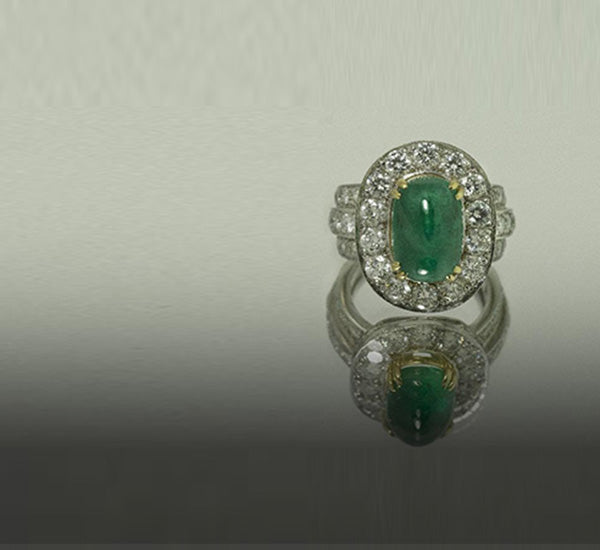
Fine emeralds remain among the most expressive colored stones. Their appeal lies in a green that can feel both saturated and luminous, with an internal character unlike any other gem. A well-cut Colombian emerald of meaningful size and attractive clarity is a natural centerpiece for an heirloom ring, pendant, or pair of earrings.
Rubies are valued for intensity. The finest stones show a vivid red with strong transparency and brilliance. Fine natural rubies over one carat are uncommon, particularly when they have limited treatment and a respected origin. Their rarity becomes even more pronounced in larger sizes.
Sapphires offer extraordinary range. Blue sapphire is the traditional benchmark, but exceptional pink, yellow, violet, and padparadscha sapphires can be equally compelling. Unheated material is especially prized when color and clarity are naturally strong. A beautiful sapphire also offers excellent durability for daily wear, making it a practical alternative to more delicate gems.
Alexandrite occupies a special place because of its color change, commonly shifting from greenish daylight hues to reddish or purplish tones under incandescent light. Fine color change, strong saturation, clarity, and size rarely occur together. The same is true of Paraiba tourmaline, whose electric blue-green color is associated with copper-bearing material and remains immediately recognizable to knowledgeable collectors.
Spinel deserves attention as well. Once mistaken for ruby in many historic jewels, fine red, cobalt-blue, and vivid pink spinels are appreciated for their brilliance, relative lack of treatment, and increasing collector recognition.
How to Judge a Stone Beyond Its Certificate
A laboratory report is valuable, but it cannot decide whether a gemstone is beautiful. It does not replace seeing how a stone responds to light, how proportion affects its face-up appearance, or how inclusions influence transparency. The report establishes important facts; the gem itself must still earn its place.
Examine color under more than one lighting condition. Ask whether the stone has a visible window, meaning an overly shallow center that appears transparent rather than richly colored. Consider the cut: colored gems are often cut to preserve weight or improve color, so perfect symmetry is not always the priority. A slightly asymmetric outline may be acceptable if the face-up beauty is exceptional, while an awkwardly deep stone can carry weight that is not visible when worn.
For a major purchase, request clear specifications: carat weight, measurements, origin when known, treatment status, metal content, and certification details. In antique or estate jewelry, assess the condition of the mounting as thoughtfully as the gem. Original craftsmanship, period design, and signed provenance may add meaningful value, but worn prongs or previous repairs should be addressed with care.
Buying for Lasting Enjoyment
The language of investment is often used too casually in jewelry. No gemstone should be purchased with an expectation of guaranteed financial return. Market demand can change, and resale value depends on quality, condition, documentation, and timing. Still, exceptional natural stones with desirable color, limited treatment, respected origin, and enduring craftsmanship tend to possess qualities that remain meaningful over generations.
For that reason, the most satisfying purchase is usually not the stone with the longest list of superlatives. It is the stone whose beauty is immediate, whose technical details are clearly disclosed, and whose quality will still feel evident many years from now. Whether chosen for a collection, an engagement ring, or a future heirloom, a rare natural gemstone deserves the patience of a considered decision.