


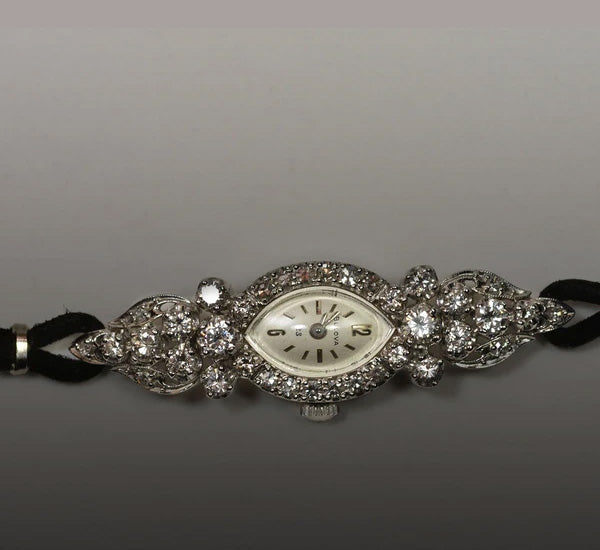

Estate Jewelry: How to Recognize Lasting Value
A finely made jewel carries evidence of its past in places a photograph cannot always show: the crisp edge of a hand-engraved shank, the weight of a platinum mounting, the character of an old European-cut diamond, or the quiet depth of an untreated sapphire. Estate jewelry is valued not simply because it is pre-owned, but because exceptional pieces preserve workmanship, materials, and individuality that are often difficult to replicate today.
For the collector, it can be a route to signed design, period craftsmanship, and rare natural gemstones. For a couple selecting an engagement ring, it offers a distinctive alternative to standardized settings. For a family, it may be the beginning of an heirloom with a story already in progress. The most rewarding purchase begins with an understanding of what gives a piece genuine and lasting merit.
What Estate Jewelry Means
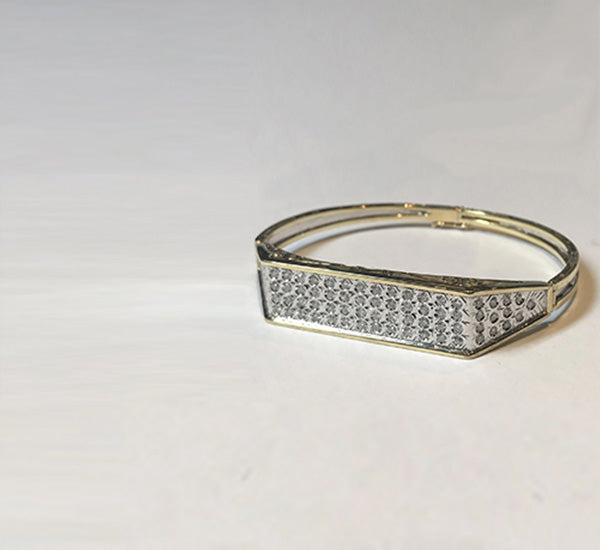
Estate jewelry refers broadly to jewelry that has had a previous owner. It can be antique, vintage, or relatively recent. The term describes ownership history, not a particular age or style. A 1920s Art Deco diamond bracelet, a mid-century gold bracelet, and a contemporary signed jewel acquired from a private collection may all be considered estate jewelry.
Age matters when discussing period design and historical significance, but it is not the only measure of value. An antique jewel is generally understood to be at least 100 years old. Vintage jewelry is often associated with pieces from prior decades, while modern estate pieces may be only a few years old. In every category, the central questions remain the same: How well was it made? What materials does it contain? Is it in excellent condition? Does it have provenance, signature, rarity, or exceptional gem quality?
Why Fine Estate Jewelry Deserves a Closer Look
The strongest estate pieces combine qualities that cannot be reduced to a trend cycle. Their appeal may begin with design, yet their enduring value is grounded in tangible details: natural diamonds and colored gemstones, precious-metal content, skilled construction, and condition.
Craftsmanship You Can See and Feel
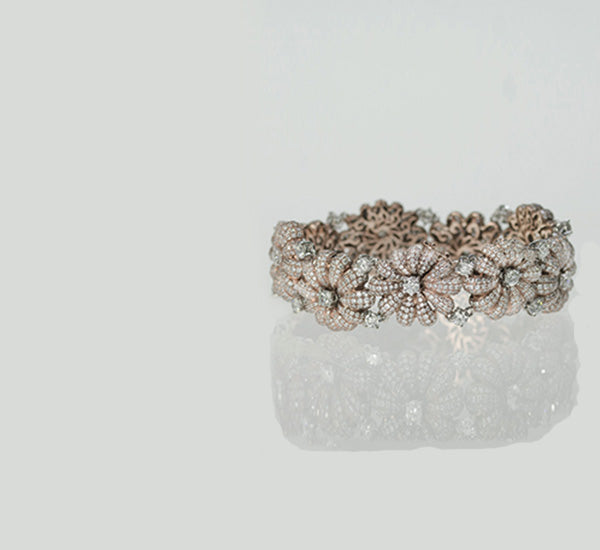
Older jewelry frequently reflects labor-intensive methods such as hand engraving, milgrain work, intricate pavé setting, and carefully articulated links. These details do not automatically make a piece superior - some modern jewelers produce extraordinary work - but they can reveal a level of hand finishing that is uncommon in mass-produced jewelry.
Examine the framework as carefully as the face of the jewel. A well-made ring should feel balanced and substantial, with secure prongs and cleanly finished gallery work. A bracelet should articulate smoothly without excessive looseness. On earrings, matched stones, secure posts, and well-engineered backs matter as much as the center stones. Condition is inseparable from craftsmanship: a beautiful period setting with worn claws or weakened hinges may need thoughtful restoration before regular wear.
Gemstones With Individual Character
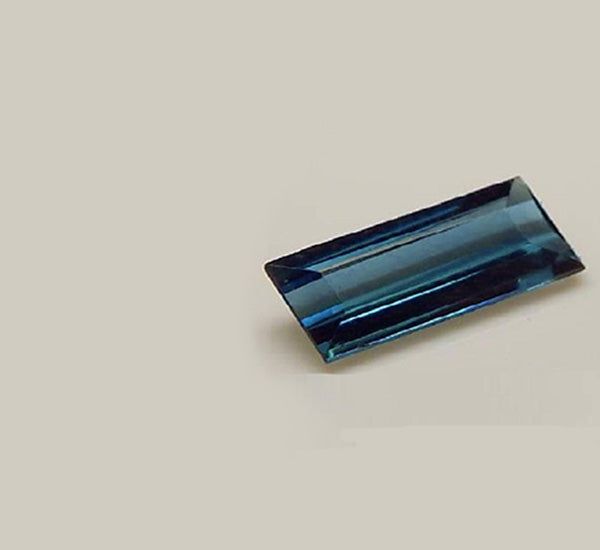
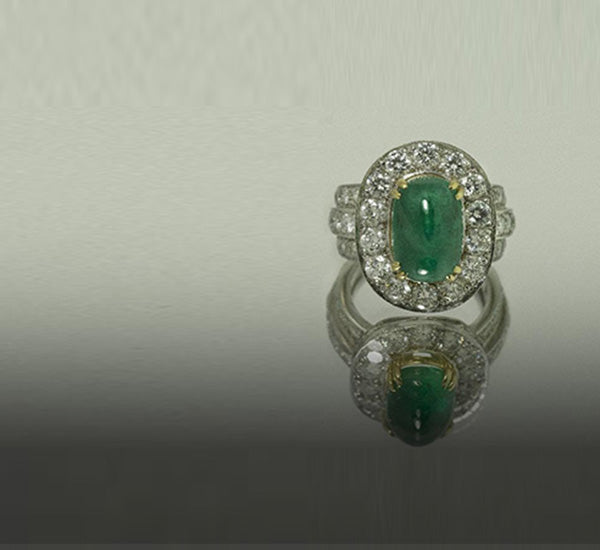
Estate jewelry can offer access to gems selected in a different market era, including old-cut diamonds, vivid Colombian or Zambian emeralds, unheated Sri Lankan sapphires, fine rubies, and distinctive tourmalines. No two natural colored gemstones are identical. Color, transparency, cut, origin, and treatment history all influence desirability.
A sapphire's rich blue may be more compelling than a larger stone with grayness or heavy treatment. An emerald's natural jardin may be acceptable, even expected, when accompanied by luminous color and strong transparency. With diamonds, an old European or old mine cut may show a softer pattern of broad flashes than a modern round brilliant. Neither style is inherently better. The right choice depends on whether you favor historical character, maximum brilliance, rarity, or a particular visual presence.
For significant stones, independent documentation provides useful context. A GIA report can establish critical diamond grading information, while respected colored-stone laboratory reports may address geographic origin and treatment status. Certification does not replace seeing a stone in person, but it gives a serious buyer a reliable foundation for comparison.
Designs That Are Not Easily Repeated
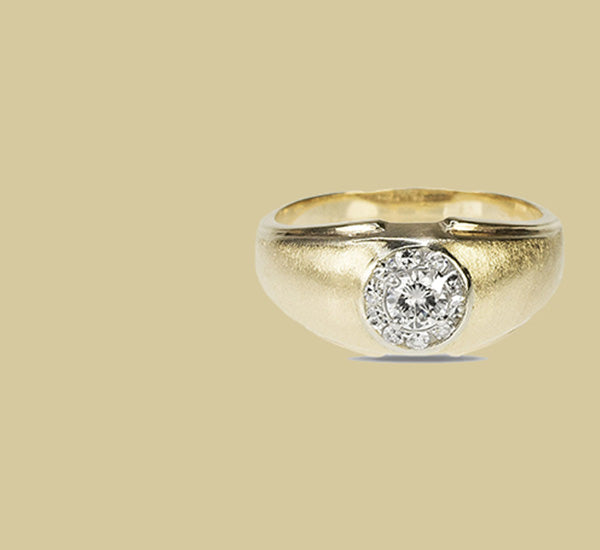
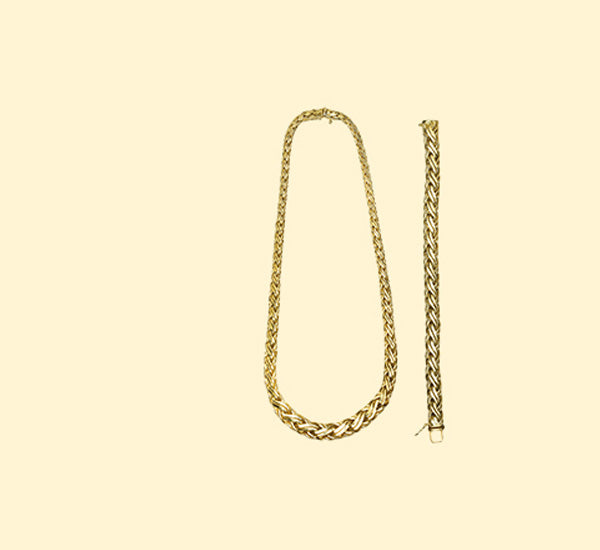
Estate pieces often feel personal because they were not designed for universal appeal. A hand-cut diamond cluster ring, a sculptural 1960s gold necklace, or a signed Tiffany & Co. jewel may have proportions and details unavailable in current collections. Even when a design can be reproduced, the original's patina, construction, and stone selection may be impossible to duplicate precisely.
That individuality is especially meaningful for engagement rings and anniversary gifts. A one-of-a-kind ring need not be old-fashioned. It can be refined, wearable, and entirely appropriate for daily life, provided the setting and gemstone are evaluated with that use in mind.
How to Evaluate an Estate Piece
The purchase process should be both emotional and exacting. A jewel should move you, but the reasons behind its price should also be clear.
Begin with the metal. Confirm whether the piece is platinum, 18-karat gold, 14-karat gold, or another alloy, and inspect hallmarks where present. Platinum offers durability and a naturally white appearance, while gold contributes warmth and can be a practical choice for many designs. Weight, construction, and the condition of the metal all matter. A hollow gold piece, for example, should be valued differently from a substantial solid-gold jewel.
Then consider the gemstones. Ask for carat weight, dimensions, quality information, and any available laboratory documentation. With diamonds, color, clarity, cut, fluorescence, and certification can all affect value. With colored stones, the hierarchy is more nuanced. Origin, treatment, saturation, tone, inclusions, and cut must be considered together rather than as isolated specifications.
Finally, assess condition honestly. Light surface wear is expected and can add character to older jewelry. Replaced shanks, re-tipped prongs, resized bands, and restored clasps are not necessarily negatives when the work has been done skillfully. However, undisclosed repairs, damaged stones, altered signatures, or excessive polishing can materially affect collectibility and value. A knowledgeable jeweler should explain these details plainly.
Signed Pieces, Provenance, and Collectibility
A recognized signature can increase a jewel's appeal, but a name alone is never the whole story. Desirable signed jewelry should be authentic, well-preserved, and representative of the maker's work. Hallmarks, serial numbers, construction details, original boxes, receipts, and documented ownership can strengthen provenance, especially for collectors.
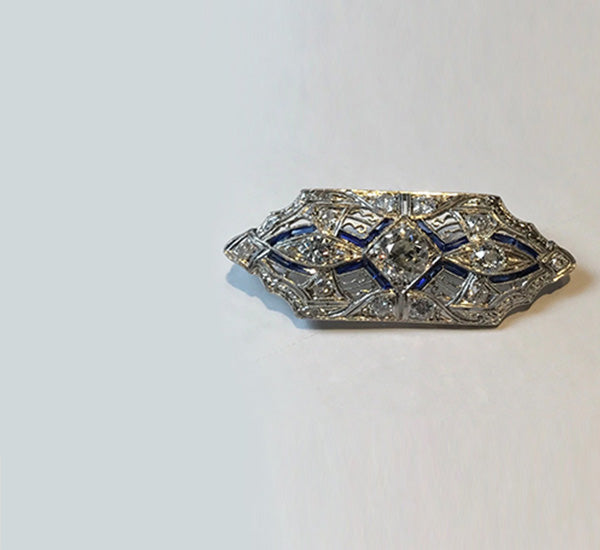
The same principle applies to period labels. Art Deco, Retro, Victorian, and Mid-Century Modern each carry distinct design languages, but the quality within any era varies widely. An unsigned jewel with exceptional diamonds and superb handwork may be more compelling than a signed piece in compromised condition. Buy the object first, then the attribution.
Buying for Wear, Collection, or Both
A collector may accept a delicate antique mounting because originality is part of the appeal. Someone seeking a daily-wear ring may prefer a low-profile design, protected corners, and a setting that can be maintained over time. These are not competing priorities, but they require different judgments.
Consider lifestyle before making a decision. Emeralds and opals demand more care than diamonds or sapphires. Fine antique filigree can be beautiful, yet may not suit frequent exposure to gardening, travel, or strenuous activity. A rare jewel can be worn and enjoyed, but it should be worn with an understanding of its materials and construction.
At Thayer Jewelers, this evaluation is part of the experience: material quality, gemological details, craftsmanship, and condition are considered together rather than treated as afterthoughts. The goal is not to make every piece fit every buyer, but to identify the jewel whose character and practical demands align with its next owner.
Care That Protects the Story
Estate jewelry benefits from regular inspection, particularly rings and bracelets with prongs, hinges, or delicate links. Remove jewelry for swimming, household cleaning, and activities that risk impact. Store pieces separately to prevent diamonds from scratching softer gemstones and metal surfaces.
Gentle care is usually best. Warm water, mild soap, and a soft brush may be appropriate for many durable diamond and gold pieces, but not for every gemstone, pearl, enamel, or antique construction. When treatment history is unknown, professional cleaning and inspection offer the safer course.
The finest estate jewelry does more than recall another era. It gives its next owner a rare combination of beauty, material substance, and human workmanship - qualities that become more meaningful with every year it is worn.