


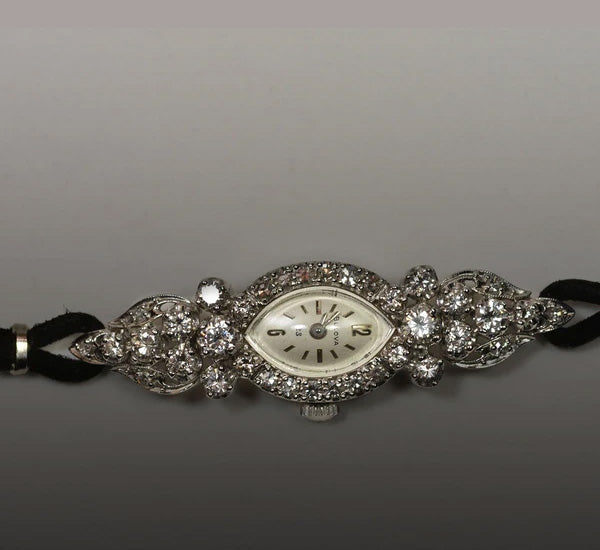

Estate Jewelry Versus Antique Jewelry Explained
A diamond ring may come from a family collection, a private estate, or a dealer’s carefully assembled inventory. That history can make it estate jewelry, but it does not automatically make it antique. Understanding estate jewelry versus antique jewelry helps a buyer look beyond romance and recognize the details that affect rarity, wearability, and long-term value.
For collectors, the distinction is useful. For someone selecting an engagement ring, a sapphire pendant, or a meaningful anniversary gift, it can clarify what they are buying and why one piece commands more attention than another. The finest examples in either category share the essentials: exceptional materials, thoughtful design, sound condition, and craftsmanship worth preserving.
Estate Jewelry Versus Antique Jewelry: The Essential Difference
Estate jewelry is defined by prior ownership, not by a specific age. It includes jewelry from a private individual’s collection, whether the piece was made five years ago, fifty years ago, or a century ago. A contemporary Cartier bracelet sold from an estate is estate jewelry. So is a 1980s gold necklace, a mid-century diamond ring, or a Victorian brooch.
Antique jewelry is generally jewelry that is at least 100 years old. In 2026, that usually means a piece made in 1926 or earlier. Many antiques fall within recognizable historical periods, including Georgian, Victorian, Edwardian, and early Art Deco design. The date matters because jewelry-making methods, diamond cutting styles, metal alloys, and design language changed significantly over time.
The categories overlap, but they are not interchangeable. Most antique jewelry offered for sale today is also estate jewelry because it has had a prior owner. Yet much estate jewelry is vintage, signed, or contemporary rather than antique.
Age Is Only One Measure of Significance
An antique designation carries historical interest, but it is not a guarantee of superior quality. A finely made Edwardian platinum and old mine-cut diamond ring can be extraordinary, especially when its original details remain intact. It can also show wear, altered components, replaced stones, or repairs that affect both integrity and value.
Conversely, a more recent estate piece may feature a superb unheated Sri Lankan sapphire, a GIA-certified diamond, or a Colombian emerald of exceptional color and transparency. Such a jewel may be younger than an antique, but its materials can place it in a very different level of rarity and desirability.
For this reason, age should be considered alongside the piece’s actual merits. An informed evaluation looks at gemstone quality, metal content, maker, condition, construction, provenance, and market demand. A 1940s ring with a distinguished maker’s mark and exceptional diamonds may have greater collector appeal than an older, unsigned ring with heavily worn stones.
How Historical Periods Shape Antique Jewelry
Antique jewelry often appeals because it captures a design vocabulary that cannot be fully replicated. Even the most accomplished modern reproduction may not possess the accumulated character, hand-finishing, or period-specific construction of an original jewel.
Georgian Jewelry
Georgian jewelry, generally dating from 1714 to 1837, is scarce because relatively little survived intact. Pieces were often handmade and may feature closed-back settings, foiled gemstones, rose-cut diamonds, repoussé metalwork, and intricate sentimental motifs. Their rarity can be considerable, but they require careful assessment. Closed-back settings can make accurate gemstone identification more complex, and these pieces are not always suited to frequent wear.
Victorian Jewelry
Victorian jewelry spans 1837 to 1901 and encompasses an unusually broad range of styles. Early pieces often have romantic or naturalistic motifs, while later examples may incorporate mourning symbolism, richly engraved gold, seed pearls, turquoise, garnets, or old-cut diamonds. Fine Victorian jewels can be remarkably wearable, though hinges, clasps, enamel, and delicate settings should be examined closely.
Edwardian and Early Art Deco Jewelry
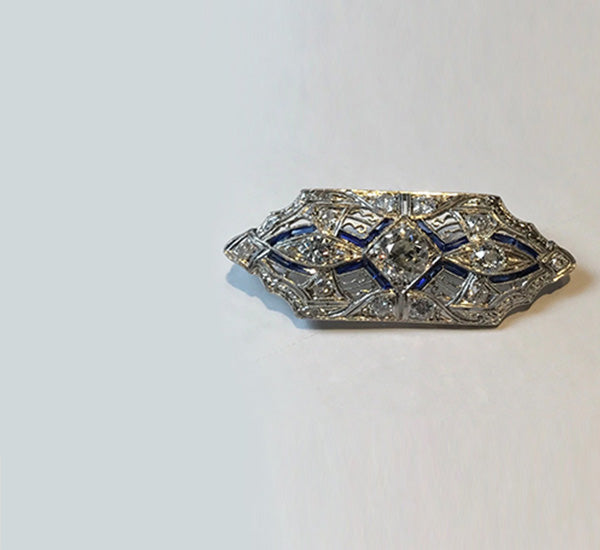
Edwardian jewels are known for airy platinum and diamond designs, lace-like millegrain details, and elegant use of pearls. Early Art Deco pieces, emerging in the 1910s and 1920s, introduced stronger geometry, calibré-cut colored stones, onyx accents, and a more architectural approach to diamond jewelry.
These periods are especially compelling to engagement-ring buyers because the designs often offer beauty and individuality without sacrificing refinement. Still, a period style is not the same as a period original. “Art Deco style” may describe a newly made ring, while “Art Deco” should refer to an authentic piece from that era.
What Estate Jewelry Can Offer That Antiques May Not
Estate jewelry provides a wider field of choice. It includes antique pieces, but it also encompasses mid-century design, retro gold jewelry, signed twentieth-century creations, and more recent fine jewelry from respected houses. Buyers may find a broader selection of diamond cuts, gemstone types, metal choices, and practical constructions.
A signed estate jewel can be particularly appealing when the maker’s workmanship and design language are readily recognized. Tiffany & Co., Van Cleef & Arpels, Cartier, Bulgari, and other notable houses have produced pieces that may be sought after for their design, quality, and provenance. A signature alone does not determine value, however. Authentication, condition, original components, and the specific desirability of the design remain essential.
Estate jewelry can also provide access to substantial natural gemstones that would be difficult or expensive to source in newly made jewelry. A ring may contain an emerald from Colombia or Zambia, a ruby with fine natural color, or a sapphire with an independent report confirming its origin and treatment status. In these cases, the stone may be the central value driver, with the mounting, maker, and period adding further importance.
Condition, Alterations, and Wearability
Condition is where a romantic purchase becomes a considered one. Jewelry was made to be worn, and evidence of careful use is not necessarily a concern. Normal surface wear, minor patina, and gentle aging can be part of a piece’s character. Structural problems are different.
A buyer should assess whether prongs are secure, stones are original and undamaged, clasps function properly, and the metal has sufficient strength for continued wear. Antique rings may have thin shanks from decades of use. Older cuts can show small abrasions at facet junctions. Enamel, pearls, and opals deserve particular care because they can be vulnerable to moisture, impact, and heat.
Alterations require context. A well-executed, period-appropriate resizing may have little effect on a ring’s enjoyment. Replacing an original old European-cut diamond with a modern round brilliant, removing a maker’s mark, or rebuilding major portions of an antique mounting can materially change collector value. The right question is not simply whether a piece was repaired, but whether the repair respects its original construction and significance.
Which Category Is Right for You?
The answer depends on what you value most. Choose antique jewelry when you are drawn to a distinct historical period, hand-finished details, and the quiet pleasure of owning an object that has endured for a century or more. It is often best for buyers who appreciate authenticity over perfection and are comfortable with considerate wear.
Choose estate jewelry when you want the breadth to compare eras, makers, gemstones, and designs. Estate is often the more flexible category for a daily-wear diamond ring, a signed gold bracelet, or a colored-stone jewel selected primarily for gem quality. It is also the category where a buyer may find a remarkable balance of craftsmanship, material value, and individuality.
Neither choice is inherently better. An antique jewel may be historically irreplaceable but delicate. A twentieth-century estate jewel may be structurally stronger, easier to wear, and centered on a more exceptional gemstone. A recently made estate piece from an important house may be collectible in its own right.
Questions Worth Asking Before You Buy
Before committing to either category, ask for the details that establish confidence: the approximate date or period, metal purity, gemstone weights and measurements, known treatments, condition observations, alteration history, signatures or hallmarks, and any laboratory documentation available. For diamonds, a GIA report can provide an important reference for the center stone. For fine colored gemstones, an independent report addressing origin and treatment can be equally meaningful.
It is also wise to ask how the piece should be worn and maintained. A platinum Edwardian ring with old-cut diamonds may be suitable for regular wear with attentive inspections. A Georgian foiled topaz ring may be better reserved for special occasions. A knowledgeable jeweler should be candid about these distinctions rather than treating every older jewel as equally practical.
At Thayer Jewelers, the most compelling pieces are considered on their individual merits: the quality of the gem, the integrity of the setting, the distinction of the design, and the story that can be supported by the jewelry itself. The right jewel is not defined solely by a date. It is the one whose craftsmanship, materials, and character still feel worthy of being cherished for the next chapter of its history.