



A Collector’s Guide to Antique Cut Diamonds
A well-cut antique diamond does not behave like a modern round brilliant. Its larger facets gather light in broad, deliberate flashes rather than a constant field of sparkle, and its slight asymmetries reveal the hand of a cutter working for the character of one particular rough crystal. This guide to antique cut diamonds is intended for buyers who value that individuality, whether selecting an engagement ring, evaluating an estate jewel, or building a collection with lasting distinction.
Antique-cut diamonds are not simply old diamonds. They are products of distinct periods in cutting history, made before the mathematical standardization and high-speed precision of contemporary production. Their appeal lies in proportion, personality, rarity, and craftsmanship. Yet age alone does not establish value. The quality of the diamond, its condition, the beauty of its cutting, and the integrity of its setting all deserve close attention.
What Defines an Antique Cut Diamond?
In the trade, antique cuts generally describe diamonds fashioned before the widespread adoption of the modern round brilliant in the early twentieth century. Many were cut by hand, often with less symmetry than a modern stone but with a visual rhythm that can feel warmer and more alive.
Their identifying details may include a small table, high crown, deep pavilion, open culet, and broad facets. The culet is the small facet at the bottom of a diamond. In an antique stone, it may appear as a subtle circular window when viewed face up. This is not necessarily a flaw. In a properly proportioned old cut, it is part of the stone’s period character.
Antique diamonds also tend to perform beautifully in lower, more directional light. A modern round brilliant is engineered for intense brilliance and scintillation. An old-cut diamond often produces softer fire, pronounced flashes of white light, and colored spectral reflections. Neither approach is inherently superior. The right choice depends on whether the buyer prefers precision and brightness or depth, romance, and individual expression.
The Principal Antique Diamond Cuts
Old Mine Cut
The old mine cut is one of the most recognizable nineteenth-century diamond styles. Usually cushion-shaped, it often has a high crown, small table, deep pavilion, large culet, and softened, imperfect outline. Its facets are broad and expressive, giving the diamond a candlelit glow that is particularly compelling in Georgian and Victorian jewelry.
Old mine cuts vary considerably. Some appear nearly square, while others are gently rectangular or more rounded. A beautiful example has balanced facet patterning and a pleasing face-up presence, even if it is not perfectly symmetrical. Because many old mine cuts carry weight below the girdle, they may face up smaller than a modern diamond of the same carat weight. The trade-off is a distinctive depth and an unmistakable period profile.
Old European Cut
The old European cut is the direct predecessor of the modern round brilliant. Most examples date from the late nineteenth century through the 1930s. It is rounder and typically more symmetrical than an old mine cut, while retaining a small table, high crown, open culet, and substantial pavilion.
For buyers seeking an antique diamond with a familiar round outline, an old European cut is often an exceptional choice. Its larger facets create bold, measured flashes rather than the fine, rapid scintillation of a modern brilliant. The finest examples appear lively across the face of the stone and retain pleasing balance without looking overly dark in the center.
Rose Cut
Rose-cut diamonds are among the oldest and most poetic forms of diamond cutting. They have a flat base and a domed crown covered with triangular facets, resembling the petals of a rosebud. Because they lack a pavilion, rose cuts are generally shallow and can appear larger than their carat weight suggests.
Their light return is subtle. Rather than intense brilliance, a rose cut offers a silvery, glass-like shimmer. They are especially suited to early jewelry, delicate cluster designs, and collectors drawn to Georgian or early Victorian workmanship. Condition matters greatly, as their thin edges and low profiles can be vulnerable to abrasion and chips.
Antique Cushion and Transitional Cuts
Not every antique diamond fits neatly into one historical category. Antique cushions may range from softly squared old mine-style stones to later cushion brilliants with more organized facet arrangements. Transitional cuts, produced as cutting evolved between old European and modern round brilliants, often combine an open culet and higher crown with improved symmetry and a larger table.
These in-between styles can offer strong value and considerable beauty. A transitional diamond may appeal to a buyer who appreciates vintage character but prefers more familiar brilliance. As always, the individual stone matters more than the label alone.
How to Evaluate Antique Cuts with Confidence
An antique diamond should be assessed on its own visual merits before its paper specifications. Certification remains valuable, particularly from GIA, but a grading report cannot fully convey a stone’s charm, facet behavior, or period authenticity.
Begin by looking at overall proportion. Does the diamond appear balanced from the face-up view? Does it have lively light return in a range of lighting conditions? A broad, antique-style facet pattern may create areas of contrast that are intentional and attractive. However, persistent darkness under the table, severe unevenness, or a noticeably misshapen outline may affect beauty and value.
Color also deserves a nuanced view. Many antique diamonds were cut from material that falls in the near-colorless to faintly tinted range by modern grading standards. In a yellow-gold mounting, a warm J, K, or even lower-color diamond can look harmonious and richly period-appropriate. In platinum, a buyer may prefer a whiter appearance. Fluorescence, mounting color, and surrounding diamonds can all influence how color is perceived.
Clarity should be considered with equal pragmatism. Antique stones may show small inclusions, naturals, or faint feathering consistent with their history. The crucial question is whether an inclusion is visible to the unaided eye, compromises durability, or distracts from the diamond’s beauty. A well-placed inclusion that is difficult to see may be entirely acceptable in an old cut with exceptional life.
Condition, Repairs, and Originality
Centuries of wear leave evidence. A professional evaluation should check for chips at the girdle, abraded facet junctions, cracks, recut areas, and damage concealed by prongs. An open culet, for example, is authentic to many old cuts, but it should not be confused with a damaged point.
Recutting is a particularly important consideration. Some antique diamonds were recut decades ago to improve brilliance or remove damage. A careful recut can preserve much of a stone’s character, but it may reduce carat weight, alter historical proportions, and affect collector interest. Originality tends to command a premium when the cut is beautiful and the condition is strong.
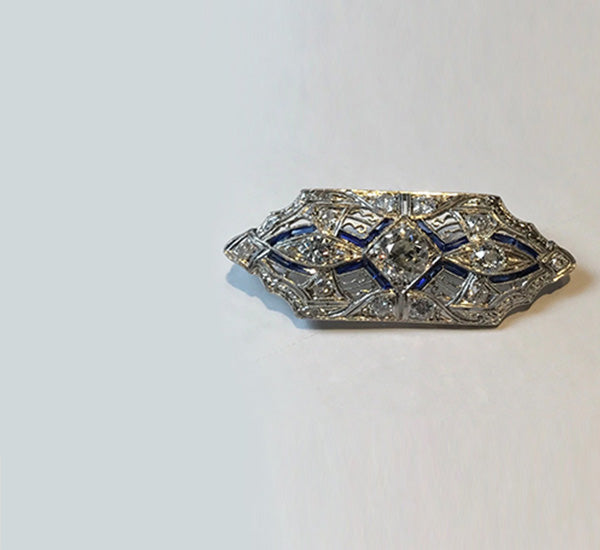
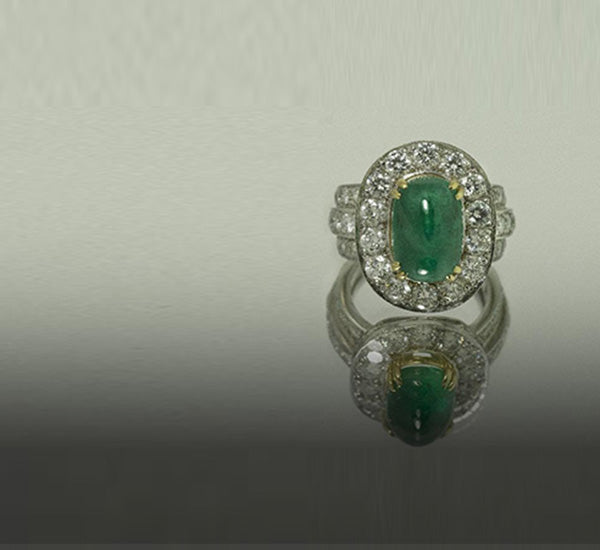
The mounting also tells part of the story. Examine the metal content, hallmarks, setting style, and quality of any later repairs. A diamond may be antique while its ring is a later reproduction, which is not inherently negative, but should be represented accurately. Conversely, an original Edwardian platinum mounting or finely made Victorian yellow-gold setting may contribute materially to the jewel’s desirability.
Certification, Provenance, and Value
A GIA report can confirm whether a diamond is natural, document the standard grading factors, and, in many cases, identify the cutting style. For significant diamonds, this independent documentation offers welcome confidence. Still, it is only one part of a complete assessment.
Provenance can add another dimension. Signed jewelry, a documented family history, original period boxes, or an established maker’s mark may enhance collectibility. A stone with no documented provenance can still be superb, but buyers should be cautious of romantic claims that cannot be substantiated.
Value depends on more than carat weight. A finely proportioned old European cut with attractive color, eye-clean clarity, strong condition, and exceptional light performance may be more desirable than a larger but poorly cut example. Rarity also matters. Well-preserved antique diamonds of meaningful size are finite, and truly beautiful examples are increasingly difficult to replace.
Choosing an Antique Diamond for Everyday Wear
Antique cuts can be excellent for daily wear when the diamond is sound and securely set. For an engagement ring, consider a protective mounting such as a bezel, halo, or well-made prong setting that shields vulnerable corners and girdle edges. This is especially relevant for old mine cuts with squarer outlines and rose cuts with thin edges.
It is wise to prioritize beauty over a rigid checklist. A buyer comparing two old European cuts may find that the lower-color stone has better personality, or that the slightly imperfect outline is precisely what gives it distinction. The right antique diamond should feel considered rather than compromised.
At Thayer Jewelers, the most compelling estate diamonds are selected not merely for age, but for the qualities that allow a jewel to be worn, admired, and passed forward. Take time to view an antique-cut diamond in person when possible. The broad flash of light, the warmth of the material, and the quiet evidence of its history are best understood with the stone in hand.